
I’m a roadworker.
You are here to do a job and you deserve to feel safe doing it.
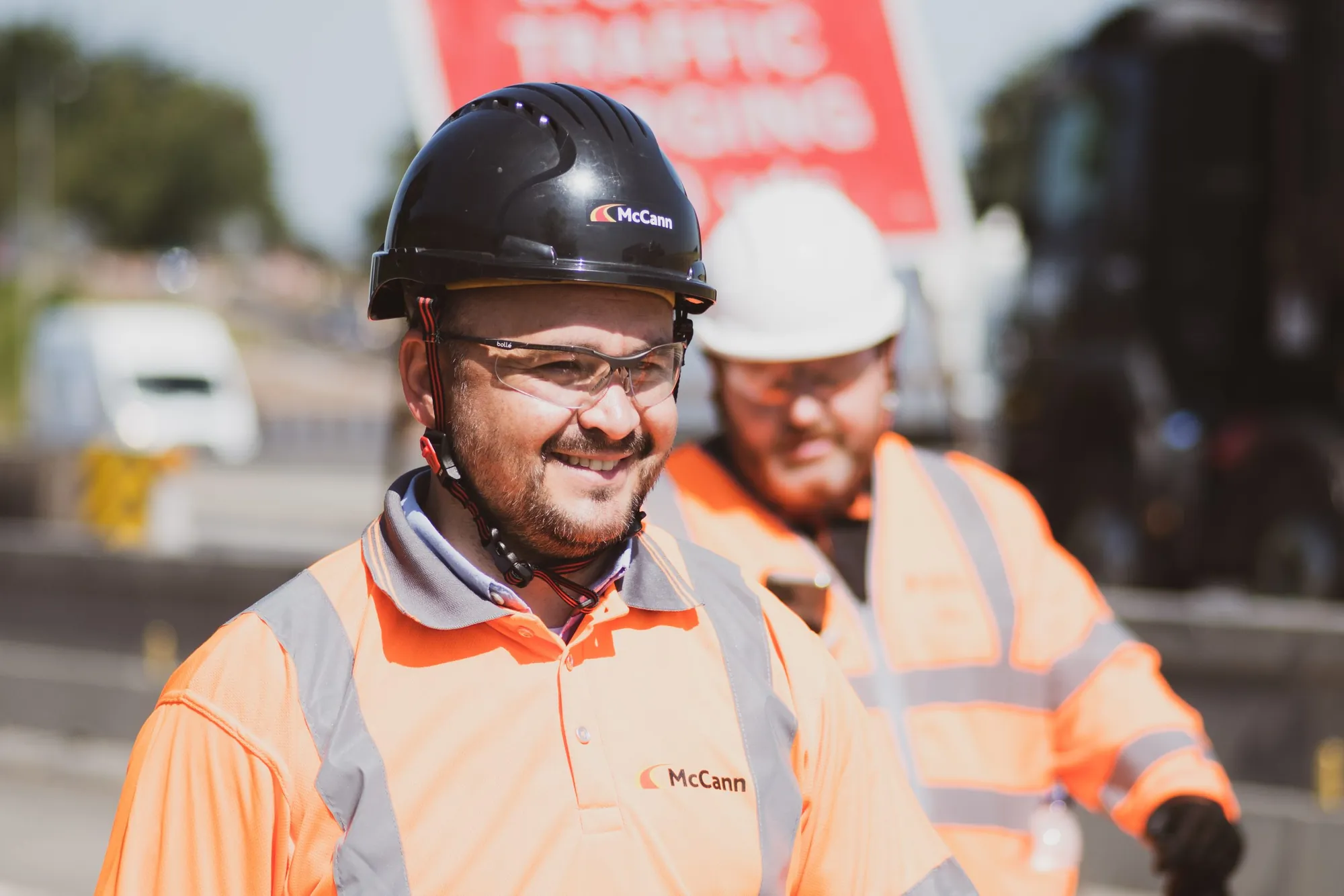
You deserve to work safely.
Working on the road can be challenging enough without having to deal with abuse, threats or dangerous behaviour from road users.
You should never have to accept abuse as “part of the job.” Whether you're working on a motorway, managing traffic, repairing a road, operating plant or working alongside a live carriageway, you have the right to be treated with respect and to work safely.
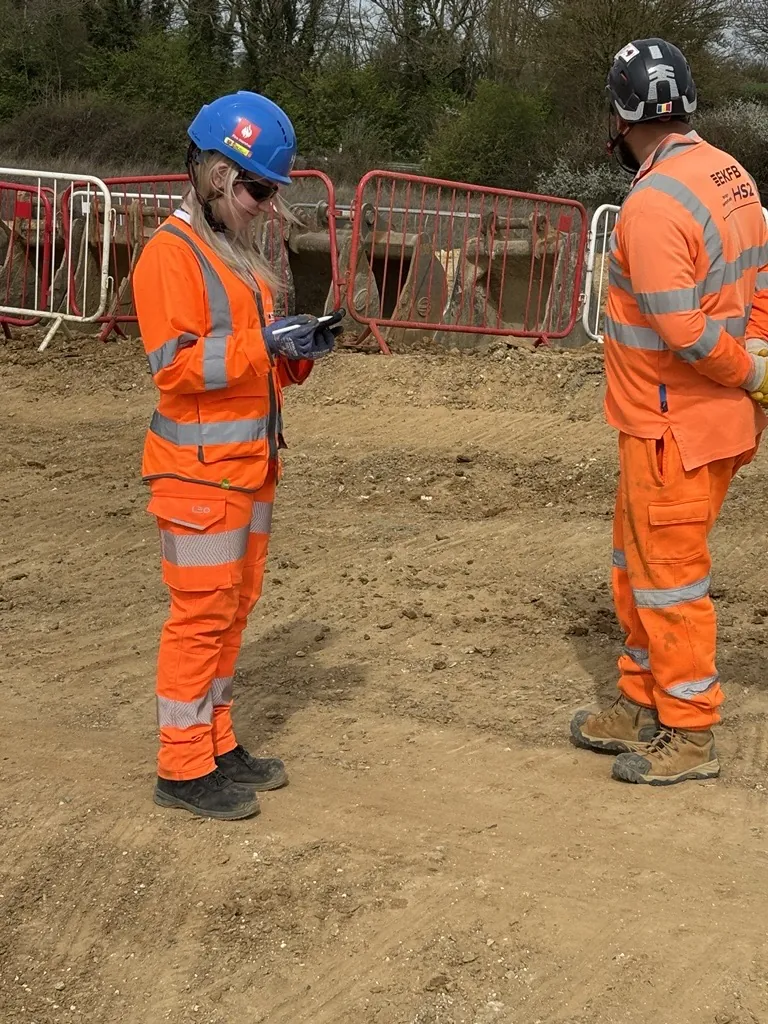
What counts as roadworker abuse?
Roadworker abuse is any behaviour or situation that makes people working on or alongside the road feel unsafe, threatened, intimidated or at risk.
It can take many forms, including:
Verbal abuse
Shouting, swearing, insults or offensive comments.
Threatening or intimidating behaviour
Threats, aggressive gestures or behaviour designed to frighten you.
Aggressive or unsafe driving through roadworks
Speeding, close passes, dangerous manoeuvres or deliberately driving towards workers.
Entering roadworks areas without permission
Driving or walking into restricted areas, putting workers at risk.
Ignoring traffic management measures
Driving through cones, barriers, signs or temporary traffic controls.
If it makes you feel unsafe, it matters. You don't need to wait until someone is physically hurt before speaking up.
What happens when you report it?
Reporting an incident can feel like a difficult decision.
You might think: “It happens all the time.” “It wasn't serious enough.” “Nothing will happen anyway.”
But reporting abuse helps make sure incidents are recorded and taken seriously.
Your report can help your employer identify patterns, understand where risks are occurring and take action to protect you and your colleagues.
When reporting an incident, you may be asked for information such as:
- Where and when it happened
- What happened
- Details of the vehicle or person involved
- The vehicle registration, if it is safe to record it
- Whether anyone witnessed the incident
- Any other relevant details
Your safety comes first.
Don't put yourself at risk to gather evidence. Your safety comes first. If you are in immediate danger, get somewhere safe and call 999.
Reporting isn't making a fuss. It's helping to make your workplace safer.
Report incidents through your employer’s reporting process. You can also send an incident report to RAISE.
Support and wellbeing.
What happened to you matters. Being shouted at, threatened or deliberately put in danger can affect you, even after you've left the site. You might feel angry, shaken, frustrated, anxious or simply fed up. Whatever you're feeling, you don't have to deal with it alone.
Find practical advice and sources of support to help you look after yourself and your colleagues.
Support resources are being prepared. For questions about campaign support, contact the team.
Roadworker stories.
You are not alone.
Roadworkers across the country have experienced abuse and dangerous behaviour while simply trying to do their jobs.
Read real stories from people who know what it's like to work on the road — and why speaking up matters.
Case studies are being prepared. The current images are illustrative.
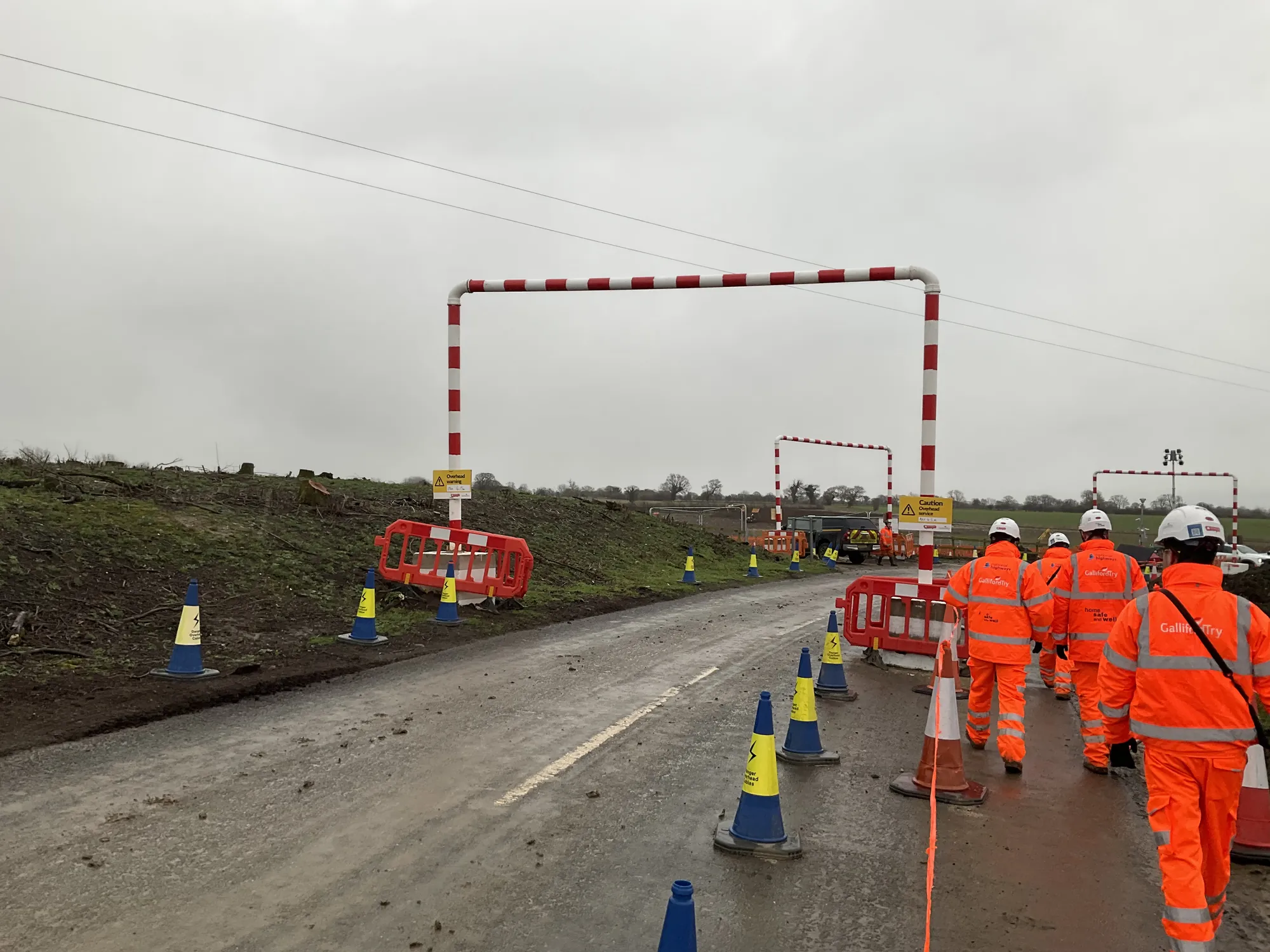
Questions about working on the road?
Find answers to common questions about roadworker abuse, reporting incidents, staying safe and getting support.
Answers for this guide are being prepared. You can ask the campaign team a question in the meantime.